
May 12, 2026
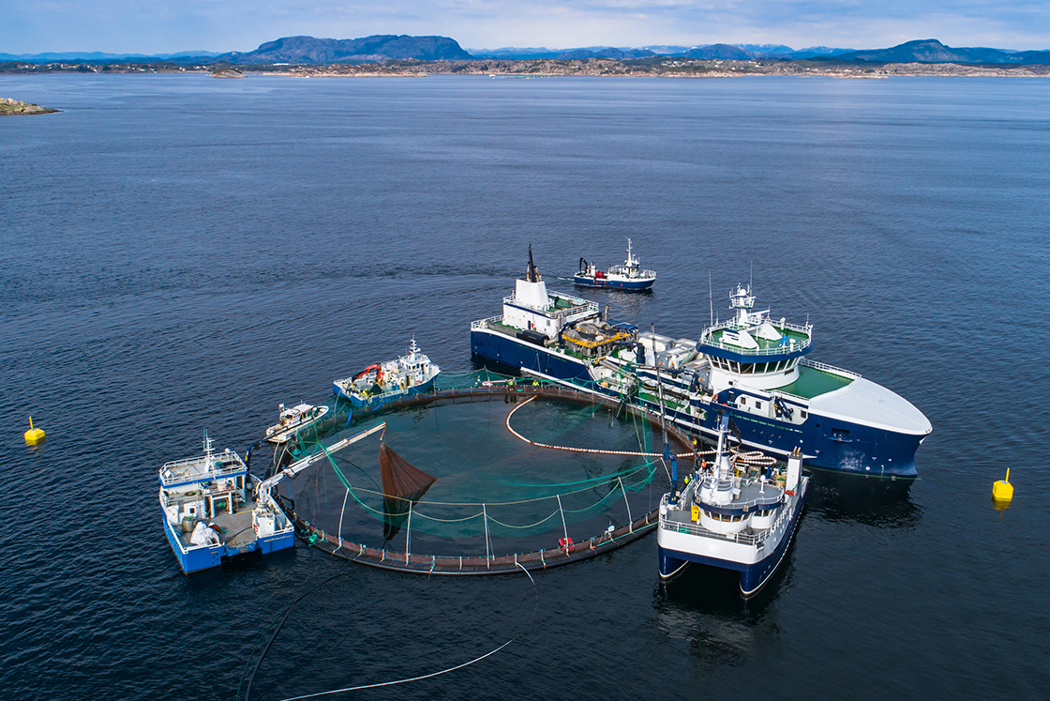
Fuel costs are rising, electricity markets are tightening, and for aquaculture and food supply chain operators across Europe and Canada, margins are getting squeezed again.
But here’s the uncomfortable truth:
Most companies don’t actually know where they’re losing money.
They know their total energy costs.
They might even track emissions.
But when you ask where the real inefficiencies are: by vessel, by hatchery, by barge or by pump - then the answers get vague, fast.
And that’s the problem.
Because price volatility isn’t the only risk.
Lack of visibility is, too.
In complex operations that include marine fleets, processing facilities, and refrigeration systems, energy costs don’t appear in a single place. They’re distributed across dozens (sometimes hundreds) of assets. Small inefficiencies compound quietly:
Individually, these don’t raise alarms.
But collectively, they erode precious margin.
What we’re seeing across the industry is consistent: companies are managing energy costs as line items rather than as a system.
That approach doesn’t hold up anymore.
Operators that are getting ahead right now are doing something different. They’re breaking energy down to the asset level and asking:
When you model energy this way, something shifts.
You stop reacting to rising costs and start controlling them.
In many cases, the opportunities are hiding in plain sight. We regularly see initiatives with sub-2-year payback periods—some delivering significantly higher returns—simply because no one had connected the operational data to financial outcomes.
That’s the gap.
You don’t need more data.
You need to use the data you already have differently.
Because if you can’t model where your costs are coming from, you can’t control where they’re going.
And in a volatile market, that’s the difference between absorbing cost increases… and outmaneuvering them.
Want to learn how Acuicy can help you model your energy costs and find unexpected savings? Book a free demo today.